


5 Signs Your Home’s Exterior Needs a Fresh Coat of Paint
Home exterior painting does more than improve your home’s appearance. A properly maintained exterior coating helps protect siding, trim, doors, and other exterior surfaces from sunlight, rain, moisture, wind, snow, and changing temperatures.
For homeowners in Canada, these conditions can be particularly demanding. Seasonal changes, UV exposure, heavy precipitation, freezing temperatures, and repeated freeze-thaw cycles can gradually affect both the paint and the materials underneath it.
But how do you know when your home is ready to be repainted?
You do not always have to wait until large areas of paint begin falling away. In many cases, the exterior gives you smaller warning signs well before the paint reaches that stage.
Here are five signs that it may be time to start planning your home exterior painting project.
1. The Paint Is Peeling, Cracking, or Blistering
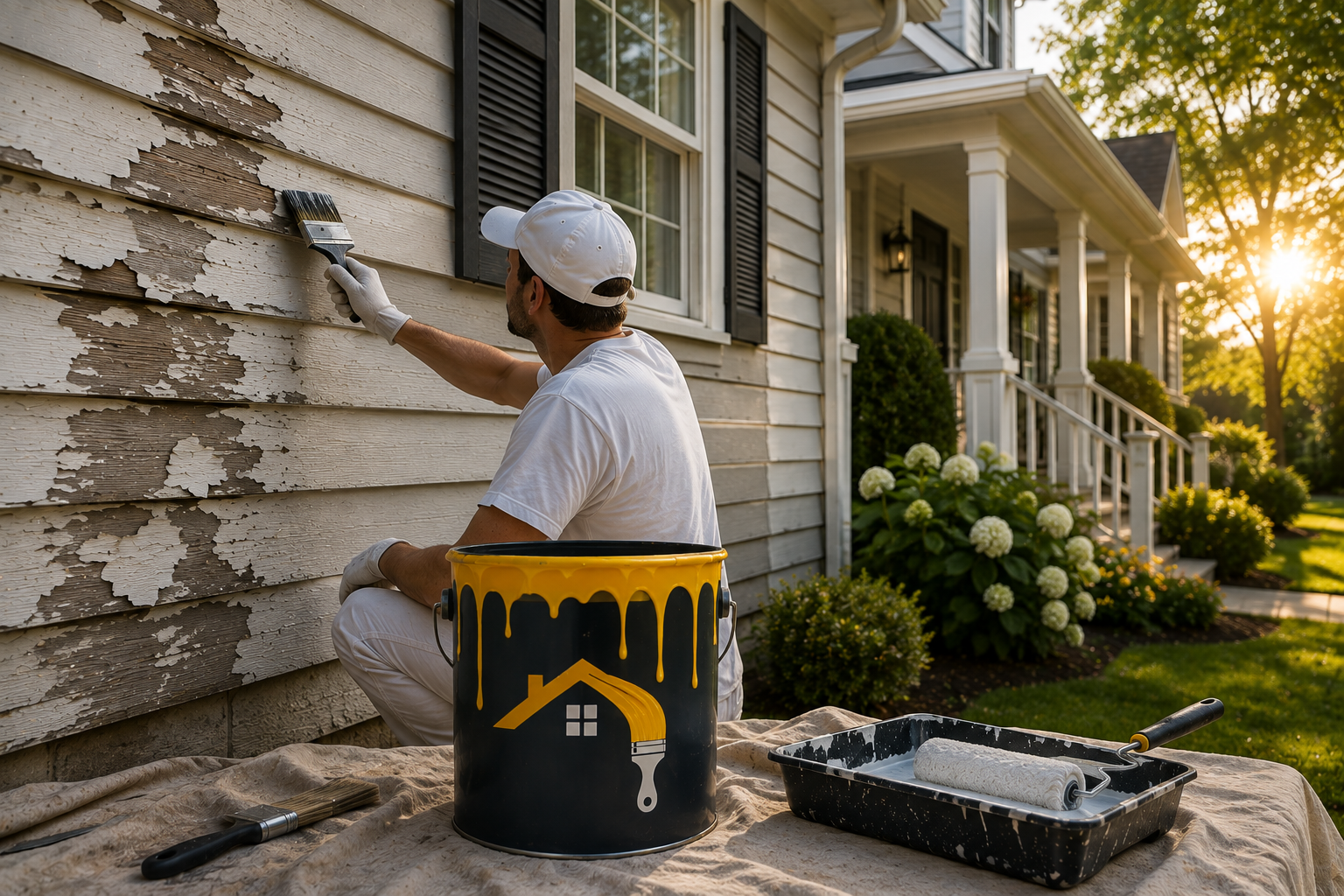
One of the clearest signs that your home exterior painting is overdue is visible deterioration of the paint finish.
Take a close look at your siding, trim, fascia, soffits, railings, doors, and areas around windows. You may notice small cracks at first, followed by peeling, flaking, or raised bubbles in the paint.
These problems should not simply be covered with another layer of paint. They can be caused by moisture, inadequate surface preparation, poor adhesion, weather exposure, or deterioration of the material beneath the coating.
Before repainting, loose and damaged paint should be removed and the underlying surface should be inspected and repaired where necessary.
Areas to Check Include:
- Peeling or flaking paint
- Cracks that are becoming larger or more widespread
- Blistering or bubbling
- Exposed wood or other unpainted surfaces
- Paint separating around windows and doors
- Areas where the previous coating is lifting from the surface
Addressing these problems early can help prevent a relatively simple painting project from turning into a more extensive exterior repair.
2. The Exterior Colour Has Faded
Not every aging paint job starts with peeling.
Sometimes the first noticeable change is simply that your home no longer looks as vibrant as it once did.
Constant exposure to sunlight and UV radiation can gradually affect exterior coatings. Colours may become washed out, uneven, or noticeably different from one side of the house to another.
You may notice:
- Faded or washed-out colours
- Uneven colour between sunny and shaded areas
- Trim that looks dull or discoloured
- A finish that has lost its original consistency
Fading is certainly an aesthetic concern, but it can also be a useful indication that the existing coating is reaching the later stages of its service life.
If the colour has changed significantly, inspect the overall condition of the paint rather than treating fading as a purely cosmetic issue.
3. The Surface Has a Chalky or Powdery Feel
Another less obvious warning sign is chalking.
To check for it, gently rub your hand over a small, inconspicuous painted area. If a fine, powder-like residue transfers onto your hand, the paint may be breaking down as a result of weather and UV exposure.
Some chalking can occur naturally as exterior coatings age. However, heavy chalking may indicate that the existing finish has deteriorated significantly.
This becomes especially important if you are planning to change the colour of your home. Applying new paint over a heavily chalked surface without adequate cleaning and preparation can affect adhesion and the appearance of the new finish.
Before repainting, the existing coating should be evaluated so the appropriate cleaning, preparation, and priming can be determined for your home exterior painting project.
4. The Caulking Around Windows and Trim Is Failing
When homeowners inspect their exterior, they often focus on the large painted surfaces and overlook the joints around windows, doors, and trim.
These areas deserve attention because caulking helps seal gaps where different exterior materials meet.
Look for caulking that is:
- Cracked
- Brittle
- Shrinking
- Separating from the surface
- Missing altogether
Failed caulking can leave vulnerable areas exposed to water intrusion. If the sealant has deteriorated, simply applying fresh paint will not solve the underlying problem.
Damaged caulking should be removed where necessary, the area properly prepared, and a suitable exterior-grade, paintable sealant applied before painting.
Checking these joints as part of your home exterior painting project can help create a more complete and durable exterior finish.
5. You Notice Moisture or Surface Damage
Signs of moisture deserve particular attention because they can point to a problem beyond the paint itself.
Inspect your home for:
- Dark or unusual stains
- Mold or mildew
- Algae growth
- Soft or deteriorating wood
- Swollen or warped siding
- Water marks
- Bubbling paint
- Damage that repeatedly appears in the same location
Moisture can enter through damaged siding, deteriorated caulking, roof or gutter problems, cracks, and other openings. Once water reaches areas behind the paint, it can contribute to blistering, peeling, swelling, and deterioration.
That is why painting over visible moisture damage is rarely the right solution.
Find the source. Fix the problem. Then paint.
Depending on the situation, this may involve repairing siding, improving drainage, replacing damaged caulking, correcting water entry points, repairing gutters or downspouts, or replacing deteriorated wood.
If the source of the moisture is unclear, it is better to investigate the problem before beginning an exterior painting project.
How Canadian Weather Affects Exterior Paint
Exterior coatings have to withstand changing weather throughout the year, and Canadian homes can experience significant seasonal variation.
A typical exterior may be exposed to:
Sunlight → heat → rain → humidity → freezing temperatures → snow and ice → thawing
Repeated changes in temperature can cause exterior materials and paint films to expand and contract. Over time, this movement, combined with moisture and UV exposure, can contribute to cracking, fading, loss of adhesion, and other forms of deterioration.
This is one reason the condition of your exterior is more useful than relying on a fixed repainting schedule.
A properly prepared and well-maintained surface may remain in good condition for years, while a poorly prepared or heavily exposed surface may require attention sooner.
How Long Does Exterior Paint Last?
There is no single number of years that applies to every home exterior painting project.
The lifespan of an exterior coating depends on several factors, including the type of siding or exterior material, quality of the previous preparation, paint quality, exposure to sunlight and moisture, and local weather conditions.
Wood surfaces, for example, may require more frequent maintenance than some other exterior materials.
Rather than repainting simply because a certain number of years have passed, examine the actual condition of the coating.
If the paint remains intact, consistent, and protective, a full repaint may not be necessary yet. If several warning signs are appearing at the same time, delaying the work could allow minor surface issues to develop into more costly repairs. If you have questions about the process, our painting FAQ answers some of the most common ones.
Don’t Paint Over Existing Problems
A fresh coat of paint can improve the appearance of your home, but it cannot permanently correct an underlying exterior problem.
Before painting, look for issues such as:
- Rotting or deteriorated wood
- Active water leaks
- Damaged siding
- Major cracks
- Failed caulking
- Persistent moisture
- Loose or unstable materials
These issues should be addressed before the finish coat is applied.
The goal of home exterior painting is not simply to cover what is visible. Proper preparation means understanding why the surface has deteriorated and correcting problems that could cause the new coating to fail prematurely.
What Home Exterior Painting Preparation Involves
A durable exterior finish starts long before the first coat of paint.
Depending on the condition of your home, professional preparation may include:
1. Inspection
The exterior is examined for peeling paint, cracks, moisture, damaged siding, deteriorated wood, chalking, and failed caulking.
2. Cleaning
Dirt, dust, mildew, algae, chalking, and other contaminants are removed from the surface.
3. Scraping and Sanding
Loose paint is removed, and rough or uneven edges are smoothed to create a more consistent surface.
4. Repairs
Damaged areas, cracks, gaps, and deteriorated materials are repaired or replaced as necessary.
5. Priming
Bare or repaired areas may require an appropriate primer before the finish coats are applied.
6. Caulking
Suitable gaps around windows, doors, trim, siding joints, and other areas are sealed with an exterior-grade paintable sealant.
7. Painting
Once the surface is clean, dry, repaired, and properly prepared, the finish coats can be applied.
Good preparation is one of the most important parts of achieving an exterior finish that looks clean and performs well over time.
For another perspective on surface preparation, read this guide to painting a home exterior from RenovationFind.
When Is the Best Time to Repaint Your Home’s Exterior?
Home exterior painting depends heavily on suitable weather conditions.
Rain, high humidity, cold temperatures, excessive heat, and poor drying conditions can all affect the application and curing of exterior coatings.
For homeowners, this means that choosing the right time to paint is about more than finding a convenient date. The surface condition, weather forecast, and requirements of the paint product should all be considered before work begins.
A professional painting company can help determine whether the conditions are suitable for the project and plan the work accordingly. If you are wondering about cost, you can also review our painting prices.
A Fresh Coat of Paint Can Do More Than Improve Curb Appeal
Repainting your home is not only about giving the exterior a newer appearance.
When the surface is properly prepared and the right products are used, a new coating can help:
- Refresh your home’s appearance
- Improve curb appeal
- Create a more consistent exterior colour
- Protect properly prepared surfaces from everyday weather exposure
- Restore aging or deteriorated coatings
- Maintain painted exterior materials
The most important part, however, happens before the paint is applied.
A successful home exterior painting project starts with understanding and preparing the surface.
Why Choose Yellow Paint for Home Exterior Painting?
At Yellow Paint, we believe exterior painting should begin with careful preparation and a thorough understanding of the property.
Our exterior house painting services focus on evaluating the condition of the exterior, identifying areas that require attention, preparing surfaces properly, and applying the finish with care and attention to detail. You can see examples of our work in our exterior painting projects.
Whether you are considering a complete exterior colour change or your existing paint is simply beginning to show its age, we can help you determine the right approach for your home.
From preparation to the final coat, our goal is to provide a clean, professional finish that helps your home look its best.
Is Your Home Ready for a Fresh Coat of Paint?
If you have noticed peeling paint, fading colours, chalky surfaces, deteriorated caulking, or signs of moisture, it may be time to take a closer look at your home’s exterior.
Addressing these warning signs early can help you understand what your property actually needs before minor problems become more extensive.
Contact Yellow Paint today to discuss your home exterior painting project and give your home a fresh, professional finish.